In vitro fertilization (IVF) has become a reliable option for couples struggling with infertility. Many people wonder how long does IVF take to result in a pregnancy. The answer is not straightforward, as it depends on various personal and medical factors. This blog will guide you through the entire IVF process timeline, explain factors affecting success, and provide insight into what to expect at each step.
Understanding the IVF Process
IVF involves retrieving eggs from a woman’s ovaries and fertilizing them with sperm in a laboratory. The resulting embryos are then transferred to the uterus. Understanding the IVF process, start to finis,h helps manage expectations and reduce stress during treatment. From initial consultations to embryo transfer, each stage is carefully monitored to maximize the chances of pregnancy.
Infertility Testing Before Starting IVF
Before beginning IVF, couples usually undergo several infertility tests to identify the underlying causes of infertility. These tests start with blood work to check hormone levels and assess ovarian function. Ultrasound imaging is also performed to examine the structure and health of the ovaries and uterus.
For men, a semen analysis is conducted to evaluate sperm count, motility, and overall quality. Additionally, a hysterosalpingography may be performed to ensure the fallopian tubes are open and functioning properly. Understanding the steps for infertility testing helps couples know what to expect and allows fertility specialists to create a personalized treatment plan, which improves the chances of a successful IVF cycle.
IVF Cycle Timeline from Start to Finish
A standard IVF cycle begins with ovarian stimulation, where medications encourage the ovaries to produce multiple eggs. To track follicle development, monitoring visits are conducted every ten to fourteen days. Once the eggs mature, retrieval is scheduled, usually under sedation. After fertilisation in the lab, embryos are cultured for some days before transfer. Understanding the IVF cycle timeline helps couples know what to expect and plan accordingly.
How Long Does IVF Take to Result in Pregnancy?
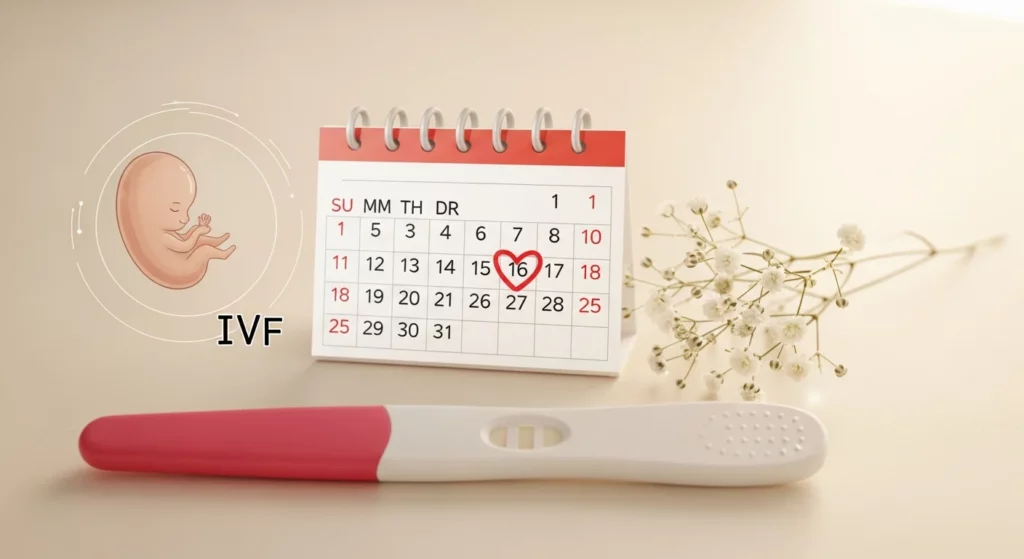
Many patients ask, How long does IVF take to achieve pregnancy after the procedure. Typically, implantation occurs within 6–10 days following embryo transfer. A blood test called beta-hCG is used to confirm pregnancy around 10–14 days after transfer. While some couples achieve pregnancy on the first attempt, others may require multiple cycles. Individual factors such as age, egg quality, and uterine health play a significant role.
IVF Timeline With Genetic Testing
In some cases, preimplantation genetic testing (PGT) is performed to screen embryos for chromosomal abnormalities. Incorporating PGT slightly extends the IVF timeline with genetic testing, as embryos are biopsied and tested before transfer. While this adds a few days to the process, it can improve success rates, especially for older women or couples with recurrent pregnancy loss. Understanding this timeline helps manage expectations and ensures couples are prepared for potential delays.
Typical IVF Process Timeline Explained
The duration of the IVF process can change based on whether the cycle is frozen or fresh. In general, it consists of:
- Ovarian stimulation lasts 10 to 14 days
- The process of retrieving eggs takes one day.
- Fertilization and embryo culture take 3 to 6 days
- Embryo transfer occurs 3 to 5 days after retrieval
- Waiting two weeks for implantation
Being aware of this IVF process timeline reduces anxiety and helps couples coordinate appointments and personal schedules effectively.
Lifestyle and Health Factors That Affect IVF Timing
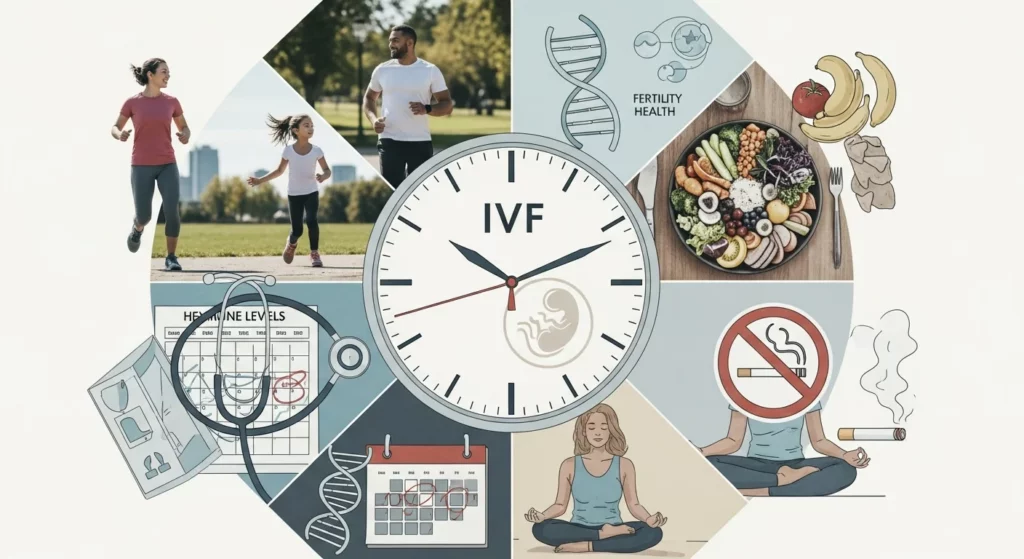
Factors such as body weight, diet, stress levels, and overall health influence the IVF success rate and how long it takes to get pregnant. Regular exercise, balanced nutrition, avoiding alcohol and smoking, and managing stress are important. Additionally, consulting a fertility specialist for fertility treatment support can provide guidance, personalized care, and emotional assistance throughout the IVF journey.
What Are the Differences in IVF Cycle Timeline for Fresh and Frozen Embryo Transfer?
Fresh embryo transfers usually occur a few days after egg retrieval, whereas frozen embryo transfers require additional preparation, including hormonal cycles to prepare the uterus. Although the IVF cycle may take a little longer, some patients may benefit from this. Couples can select the best strategy for their circumstances by understanding the distinctions between fresh and frozen transfers.
Two-Week Wait as the Most Anticipated Stage
The period after embryo transfer is known as the two-week wait. During this time, couples monitor for early signs of pregnancy while avoiding excessive stress. Patience is key because how long does IVF take to result in pregnancy depends on successful implantation during this window. Many couples find it helpful to track symptoms, practice relaxation techniques, and maintain supportive routines.
IVF Timeline With Multiple Cycles
For some couples, pregnancy may not occur on the first attempt. Understanding the IVF timeline with genetic testing or multiple cycles is essential to set realistic expectations. Each cycle generally follows the same stages, but doctors may adjust medication or procedures to improve chances. Emotional support and proper planning during this period are critical for maintaining hope and resilience.
What Are the Signs of Early Pregnancy After IVF?
Recognizing early pregnancy signs helps couples manage expectations. Common indicators include mild cramping, breast tenderness, fatigue, and slight spotting. While these signs are similar to natural conception, they are not always definitive. A beta-hCG test performed by your fertility clinic provides the most accurate confirmation, aligning with the IVF process start to finish timeline.
When to Seek Medical Advice?
If pregnancy does not occur after several cycles, or if there are concerning symptoms, consulting your fertility specialist is crucial. It might be advised to modify the IVF procedure, add more tests, or use different therapies. Couples are guaranteed to receive direction and emotional support during this journey by keeping lines of communication open and seeking assistance with fertility treatments.
IVF Timeline With Genetic Testing
Adding genetic testing to IVF could slightly extend the waiting period, but it may avoid transferring embryos with chromosomal defects. The IVF timeline with genetic testing often prolongs the embryo culture phase by a few days to allow for testing results. Couples should discuss the advantages and timing with their clinic to make informed choices.
Closing Thougnhts
The time it takes to get pregnant after IVF can be different for every person, and that’s completely normal. While the IVF process timeline gives a general idea of what to expect, factors like age, the quality of embryos, uterine health, and additional steps such as genetic testing can all affect the outcome.
Taking care of your body with healthy lifestyle habits, understanding how long IVF may take, and seeking professional fertility care support can make the journey smoother and less stressful. Most importantly, patience and guidance from experienced medical professionals can help you navigate the process with confidence and hope.