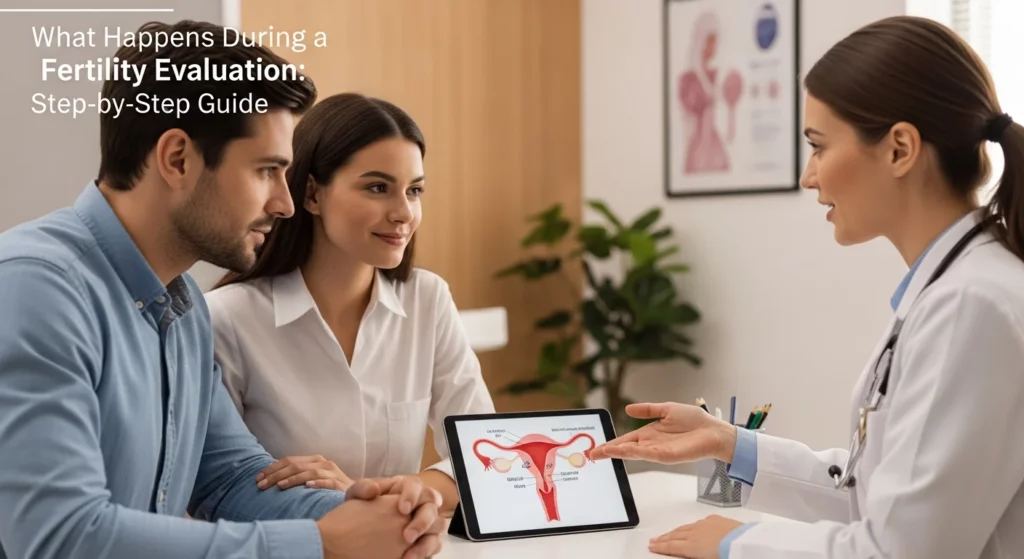
Fertility evaluation is a critical step for anyone who has been trying to conceive without success. It helps identify medical issues that may affect the ability to get pregnant. Both men and women can benefit from a complete assessment. Knowing what happens during a fertility evaluation reduces stress and prepares couples for each step. This process examines multiple aspects of reproductive health and guides couples toward solutions that fit their situation. Understanding the process also allows couples to take an active role in improving their chances of conception.
Understanding the Purpose of a Fertility Evaluation
A fertility evaluation is designed to determine why conception is not happening. Causes can include age, hormonal imbalances, reproductive system abnormalities, or lifestyle factors such as stress, diet, or smoking.
In some cases, there is no obvious reason, and testing helps reveal hidden issues. A proper fertility assessment allows doctors to recommend treatments that improve the chances of pregnancy. Early evaluation can prevent delays and guide couples toward effective fertility treatment support. Fertility evaluation also helps in planning for the future, whether that involves natural conception or assisted reproductive methods.
Preparing for Your Fertility Evaluation
Preparation is key to a successful evaluation. Before the appointment, gather comprehensive information about your medical history. This includes previous pregnancies, menstrual cycles, surgeries, medications, chronic illnesses, and lifestyle habits. Partners should also share relevant health and lifestyle information, including previous injuries, infections, or reproductive surgeries.
Tracking ovulation or using fertility apps may provide your doctor a better understanding of reproductive patterns. Emotional planning is equally important. Couples can stay patient and focused during the evaluation by being aware of the procedures and possible results.
Initial Consultation With a Fertility Specialist
During the first consultation, a reproductive endocrinology evaluation specialist reviews your medical history and discusses any prior attempts to conceive. Questions often cover menstrual cycles, sexual health, lifestyle habits, and family medical history.
For men, doctors may ask about past illnesses or surgeries that could affect fertility. The consultation sets the foundation for the evaluation and allows the doctor to recommend the most appropriate tests. Being honest and detailed ensures the results are accurate and the treatment plan is tailored to your needs.
Female Fertility Assessment and What Is Checked?
For women, fertility assessment begins with reviewing menstrual cycles and reproductive history. A physical examination checks reproductive organs for any visible issues. By measuring hormones such as FSH, LH, AMH, thyroid hormones, and prolactin, doctors can understand how your ovaries are performing and whether ovulation is occurring regularly.
Imaging tests, including pelvic ultrasound or hysterosalpingogram, assess the uterus and fallopian tubes. These steps for infertility testing help pinpoint potential problems that may affect fertility. In some cases, further evaluations such as ovarian reserve testing or hysteroscopy may be recommended to clarify the results.
Male Fertility Assessment and What Is Checked?
Male fertility assessment examines factors that could affect sperm production and quality. This process includes reviewing medical history, lifestyle habits, and past surgeries. Physical examination checks testicular health and the prostate.
A semen test looks at the number of sperm, how well they move, and their shape. If anything appears unusual, doctors may suggest further hormone checks or genetic tests. A thorough evaluation makes sure male fertility issues are not missed. Testing men is often underestimated, but it is just as crucial as evaluating women when trying to understand why conception hasn’t happened.
Understanding Common Fertility Tests
Several tests are commonly used during a fertility evaluation. Ovulation testing confirms whether a woman releases eggs regularly and at the right time. Hysterosalpingography assesses the openness of the fallopian tubes. Semen analysis examines sperm quality and quantity.
Blood tests monitor hormones that control reproductive function. Other tests may include ultrasound to detect ovarian cysts or uterine fibroids and anti-Müllerian hormone (AMH) tests to evaluate ovarian reserve. Understanding these tests clarifies their purpose and allows couples to follow the recommended treatment plan with confidence.
When Advanced Testing Is Needed?
In some cases, standard tests do not explain fertility issues, and advanced testing is required to complete an infertility diagnosis. Laparoscopy allows doctors to inspect reproductive organs directly, often identifying issues like endometriosis or scarring. Genetic testing may reveal inherited conditions that affect fertility.
Additional hormone or antibody tests can uncover less obvious problems. Advanced testing is usually recommended if initial tests do not provide a clear explanation or if previous treatments have not succeeded. These evaluations provide detailed information, allowing for more precise treatment planning.
Interpreting Your Fertility Evaluation Results
After testing, the results are explained in simple, clear terms. Doctors compare findings with normal ranges and highlight any abnormalities. This interpretation determines the next steps in treatment.
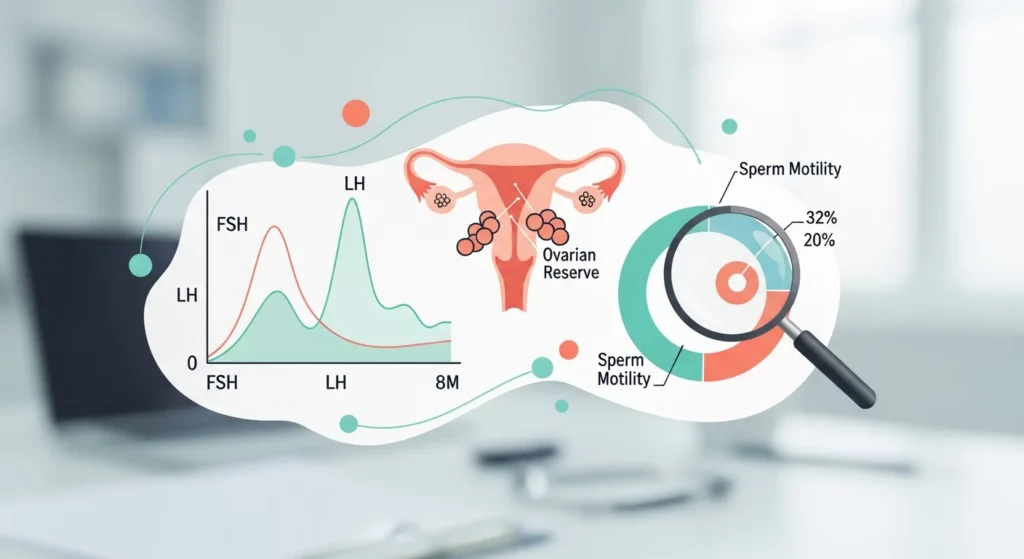
In some cases, results may indicate that IVF treatment or other assisted reproductive methods could be the best option. Understanding your results is critical for making informed decisions and planning the most effective fertility treatment strategy. Couples can also discuss potential lifestyle changes or medications that may improve fertility before moving to more invasive procedures.
Next Steps After a Fertility Evaluation
Following the evaluation, the specialist recommends a personalized treatment plan. This may include medication, surgery, lifestyle modifications, or assisted reproductive techniques. Couples may follow an IVF process timeline to understand the treatment duration, preparation, and expected milestones.
Regular follow-up appointments monitor progress and allow adjustments as needed. Fertility assessment results also help determine if additional consultations or testing are required. Early action after a fertility evaluation increases the likelihood of successful conception.
Tips for Maximizing Fertility Before and During Evaluation
Lifestyle changes can improve fertility outcomes. Maintaining a balanced diet, regular exercise, avoiding smoking, and limiting alcohol use are essential. Tracking ovulation and timing intercourse can increase the chances of conception.
Stress management is important since emotional well-being affects reproductive hormones. Counseling or support groups provide guidance and help couples cope with challenges during the process. Combining medical advice with positive lifestyle habits strengthens overall fertility and prepares couples for the next steps.
Wrapping it Up
Fertility evaluation is a structured approach to understanding reproductive health and identifying challenges. Both men and women benefit from a step-by-step assessment that includes medical history, physical exams, laboratory tests, and imaging studies.
Following recommendations from a reproductive endocrinology evaluation can lead to a clear and effective fertility treatment plan. Early assessment, informed decision-making, and lifestyle adjustments increase the chances of conception. Couples who approach the evaluation with knowledge and support are better prepared for successful outcomes and can move forward with confidence.
FAQs
- How long does a fertility check usually take?
It usually takes a few appointments over a few weeks for tests and consultations to be completed.
- Does fertility testing hurt?
Most tests are simple. Blood draws may sting, ultrasounds are painless, and semen collection is private.
- Do both partners need testing?
Yes, checking both partners gives a full picture since fertility issues can come from either side.