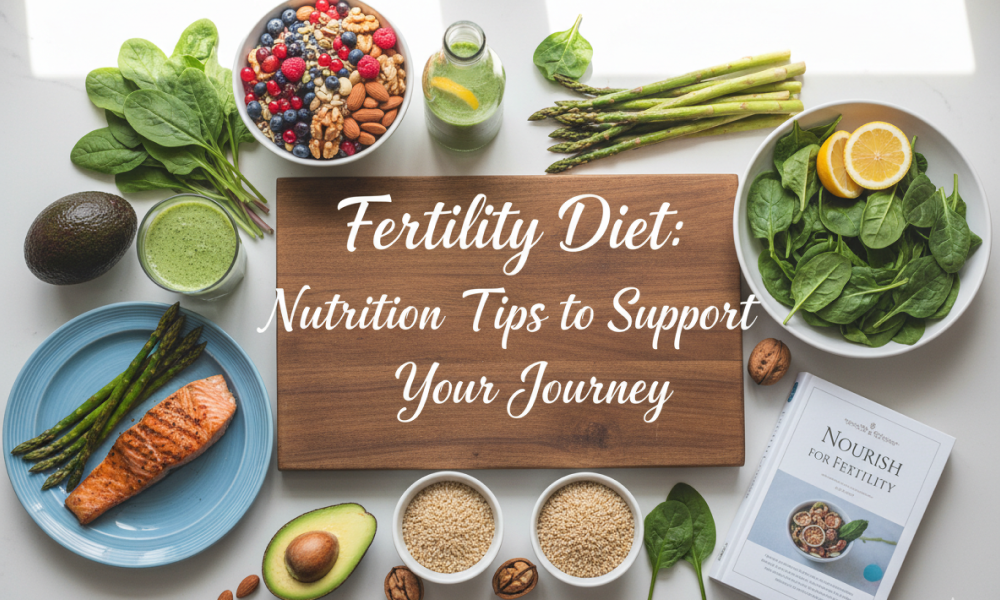
When you are trying to conceive, it is natural to look closely at your daily habits, especially what you eat. Your diet plays a quiet but important role in how your body functions, including your reproductive health. While food alone cannot guarantee pregnancy, it can help create a supportive environment for your body to work at its best.
A well-balanced fertility diet focuses on providing essential nutrients that help regulate hormones, support ovulation, and improve overall wellness. Over time, even small and consistent changes in your eating habits can make a noticeable difference. Instead of strict rules, the goal is to build simple, sustainable habits that gently support your journey toward conception.
What Is a Fertility Diet?
A fertility diet for women is not about following strict rules or short-term plans. It is a simple and mindful way of eating that gives your body the nourishment it needs to support reproductive health. This includes foods that help regulate hormones, support egg development, and improve overall well-being.
Instead of eliminating foods completely, the focus is on creating balance and building consistent habits. Choosing fresh, wholesome foods more often and limiting highly processed items can make a noticeable difference over time. With these gradual changes, your body is better able to function smoothly and support your fertility journey.
How Diet Affects Fertility in Women
Your body relies heavily on nutrients to produce hormones that regulate your menstrual cycle and ovulation. A well-planned fertility diet supports these processes and helps maintain balance within your system.
When your meals include the right combination of vitamins, minerals, and healthy fats, your body is better able to support egg development and hormonal function. This is why many experts consider nutrition an important part of reproductive health. Following the best diet for fertility can gradually improve how your body responds, especially when combined with a healthy lifestyle.
In some cases, doctors may also recommend a fertility evaluation to better understand your overall reproductive health and guide the next steps.
Key Nutrients That Support Fertility
Certain nutrients play a more direct role in supporting reproductive health. Including them regularly can help your body function more effectively and create a stronger foundation for conception.
Folic acid is essential for cell growth and is especially important when preparing for pregnancy. Iron supports ovulation and helps prevent deficiencies that may affect cycles. Omega-3 fatty acids contribute to hormone balance, while protein supports overall body function and repair. Antioxidants help protect eggs from damage caused by environmental stress.
These elements form the basis of practical fertility nutrition tips that can guide your daily food choices without making things complicated.
Best Foods to Include in a Fertility Diet
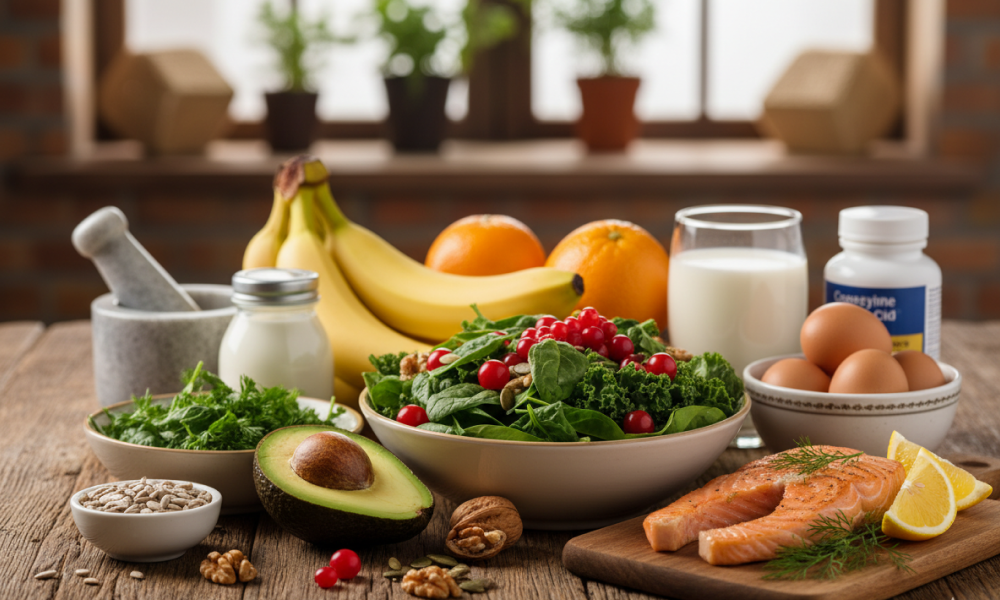
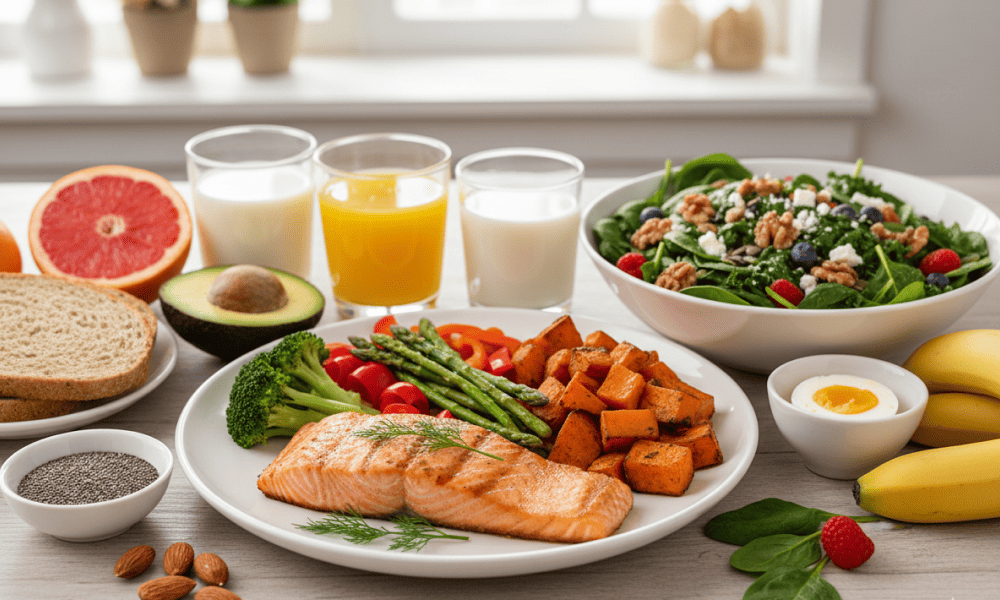
Choosing the right foods is one of the simplest ways to support your journey. A well-balanced fertility diet includes a mix of whole and nutrient-dense options that provide essential vitamins and minerals.
Leafy greens like spinach, whole grains such as brown rice, and healthy fats from nuts and seeds are excellent additions. Fruits rich in antioxidants also support cellular health, while lean proteins help maintain energy and balance. These are commonly recommended foods that increase fertility, as they naturally support your body’s processes without the need for extreme changes.
Foods to Avoid or Limit
While adding healthy foods is important, being mindful of what to limit also makes a difference. Highly processed items, excessive sugar, and unhealthy fats can interfere with hormonal balance and overall health.
Reducing caffeine and sugary drinks can also help maintain stability in your body. The idea is not to eliminate everything but to create a healthier pattern that supports your goals. Making these adjustments can strengthen the impact of your fertility diet for women without feeling restrictive.
Fertility Diet Tips for Hormonal Balance
Maintaining balance is one of the most important aspects of supporting fertility. Simple daily habits can have a strong effect over time.
Eating regular meals, staying hydrated, and avoiding long gaps between meals can help regulate blood sugar levels. Including protein and healthy fats in your meals also supports hormone stability. These small but effective fertility nutrition tips can easily become part of your routine and help your body function more smoothly.
Can Diet Improve Fertility Naturally?
It is natural to hope that diet alone can solve fertility challenges, but the reality is more complex. A healthy fertility diet can support your body and improve conditions, but it is not always a complete solution.
In some cases, additional medical care may be needed. This is where proper fertility treatment support can work alongside lifestyle changes to improve outcomes. Combining both approaches often provides the best results and helps you move forward with more clarity.
Fertility Diet and Weight Management
A balanced weight is important for maintaining healthy reproductive function. Fluctuations, whether on the lower or higher side, can impact hormonal activity and disrupt regular cycles.
Following the best diet for fertility encourages gradual improvement through nutrient-rich foods and consistent eating patterns. This approach supports metabolic balance, which in turn helps regulate ovulation and promotes long-term wellness.
Fertility Diet for Women Trying to Conceive
If you are actively trying to conceive, consistency becomes even more important. A structured fertility diet for women can support your body during this crucial time.
Planning meals in advance, including a variety of nutrients, and staying mindful of your eating habits can make the process smoother. Choosing foods that increase fertility regularly helps ensure your body is getting the support it needs every day.
When to Consult a Specialist
If things are not moving forward despite your efforts, it may be a sign that your body needs a closer look. Instead of relying only on diet and lifestyle changes, getting a proper assessment can help you understand what might be affecting your progress.
Speaking with a reproductive medicine specialist can introduce options you may not have considered before. They can identify underlying factors, guide you on the right timing, and suggest an approach that fits your situation. Seeking expert advice early can save time, ease uncertainty, and help you move forward with greater confidence.
Summary
Supporting your fertility is not about doing everything perfectly, but about making mindful choices that add up over time. The way you nourish your body, manage stress, and maintain daily habits all work together to create a healthier environment for conception.
It is also important to listen to your body instead of comparing your journey with others. Every person’s timeline is different. By staying consistent, informed, and open to the right support when needed, you can approach this phase with greater confidence and a sense of control over your next steps.
Are you finding it difficult to make sense of your fertility or unsure about your next step? Doctor Hanna provides personalized care with a focus on clear guidance, accurate diagnosis, and treatment plans tailored to your needs, helping you move forward with confidence and clarity.
FAQs
-
What is the best fertility diet to follow?
The best approach is a balanced plan that includes whole grains, healthy fats, lean proteins, and fresh fruits and vegetables. The best diet for fertility focuses on consistency rather than strict rules.
-
Which foods increase fertility naturally?
Some of the most helpful foods that increase fertility include leafy greens, nuts, seeds, berries, and foods rich in omega-3 fatty acids. These support hormone balance and overall reproductive health.
-
Can diet alone improve fertility?
A healthy fertility diet can support your body, but it may not solve all fertility challenges. In some cases, medical guidance is also needed for better results.
-
How long does it take to see results from a fertility diet?
Changes in the body take time. Following consistent fertility nutrition tips for a few months can start showing positive effects, especially when combined with a healthy lifestyle.