Common Causes of Infertility in Women and How They Are Diagnosed
Infertility can be a difficult and emotional experience, especially when you are unsure what is causing it. Many women spend months trying to conceive without understanding what might be going wrong. Learning about the causes of infertility in women can help you identify possible issues early and take the right steps toward treatment.
In many cases, the body gives subtle signals before a diagnosis is made. Recognizing the early signs of infertility and understanding how doctors evaluate fertility can help you feel more prepared and less overwhelmed.
Understanding Female Infertility
Female infertility is usually defined as the inability to conceive after trying for a certain period of time. For women under 35, this is typically one year, while for women over 35, it may be six months. However, in some cases, symptoms appear earlier and should not be ignored.
Some women may notice irregular cycles, hormonal imbalances, or unexplained discomfort. These can be early signs that something is affecting reproductive health. Paying attention to the signs of infertility in women can help you seek medical advice before the condition becomes more complicated.
In some situations, planning ahead can also be helpful, especially if you are not ready for pregnancy right now. Options like egg freezing allow women to preserve their fertility for the future, giving more flexibility while managing health or personal goals
Most Common Causes of Infertility in Women
Understanding the root causes is the first step toward finding the right treatment. There are several medical and lifestyle factors that can affect fertility.
Ovulation Disorders
Ovulation problems are one of the most common causes of infertility in women. If the ovaries do not release eggs regularly, conception becomes difficult. Conditions like hormonal imbalance or polycystic ovary syndrome can disrupt ovulation patterns.
Irregular or missed periods are often among the symptoms of infertility in women related to ovulation. These changes may seem minor at first, but they can signal deeper hormonal issues that need attention.
Blocked or Damaged Fallopian Tubes
Fallopian tubes play an important role in fertilization. If they are blocked or damaged, the sperm cannot reach the egg. This may happen due to infections, past surgeries, or untreated medical conditions.
This type of issue does not always show clear symptoms, which is why many women only discover it during testing. It is one of the hidden causes of infertility in women that requires proper diagnosis.
Endometriosis
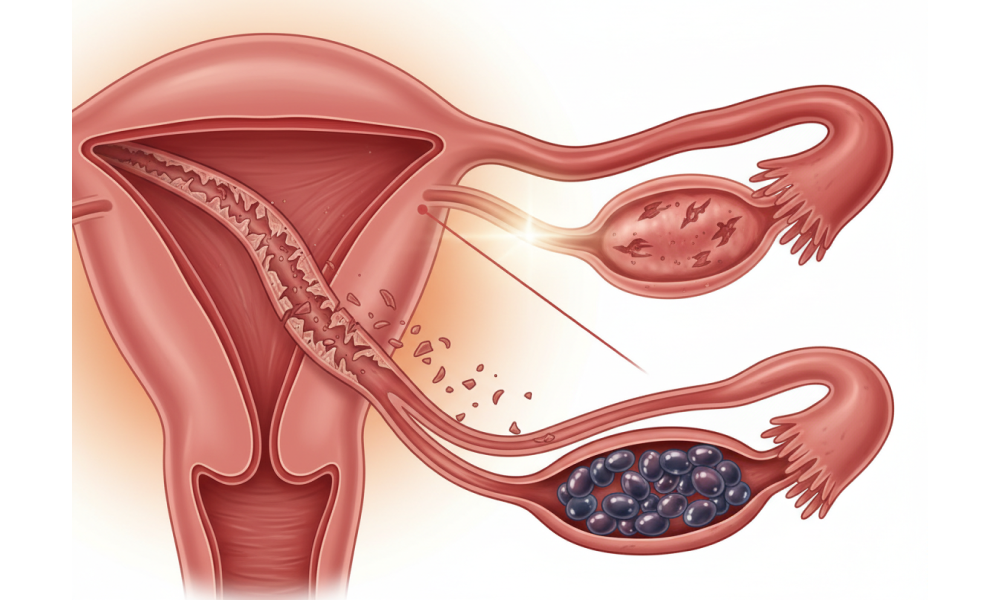
Endometriosis occurs when tissue similar to the uterine lining grows outside the uterus. This can lead to inflammation, pain, and difficulty in conception.
Women with endometriosis often experience pelvic pain or heavy periods. These can be considered early signs of infertility, especially when they are persistent or severe.
Uterine Conditions
Conditions such as fibroids or polyps can affect the structure of the uterus. These growths may interfere with implantation or disrupt normal reproductive function.
In some cases, women may not notice obvious symptoms, while others may experience irregular bleeding. These variations make it important to evaluate any unusual changes in your cycle.
Age-Related Fertility Decline
As women age, both the quality and quantity of eggs decrease. This natural process can make it harder to conceive, especially after the age of 35.
Age is one of the most significant causes of infertility in women, and it often works silently without clear warning signs. Understanding this factor can help in making timely decisions about family planning.

Unexplained Infertility
Sometimes, no clear cause is found even after testing. This is known as unexplained infertility. It can be frustrating, but it does not mean treatment options are limited.
In such cases, doctors focus on improving overall chances through different approaches. Even without a clear diagnosis, many couples successfully conceive with the right support.
Signs and Symptoms You Should Not Ignore
Your body often gives signals when something is not right. Recognizing these signs early can help you take action before the issue becomes more serious.
Common signs of infertility in women include irregular periods, very painful cycles, or difficulty tracking ovulation. These signs may seem manageable, but they can indicate underlying conditions.
Other symptoms of infertility in women may include hormonal changes, unexplained weight gain, or skin changes. Paying attention to these patterns can help you identify problems early.
Some women also experience subtle changes that are easy to ignore. These early signs of infertility can include mild pelvic discomfort or changes in cycle length. Even small shifts in your body’s rhythm are worth discussing with a doctor.
How Infertility Is Diagnosed
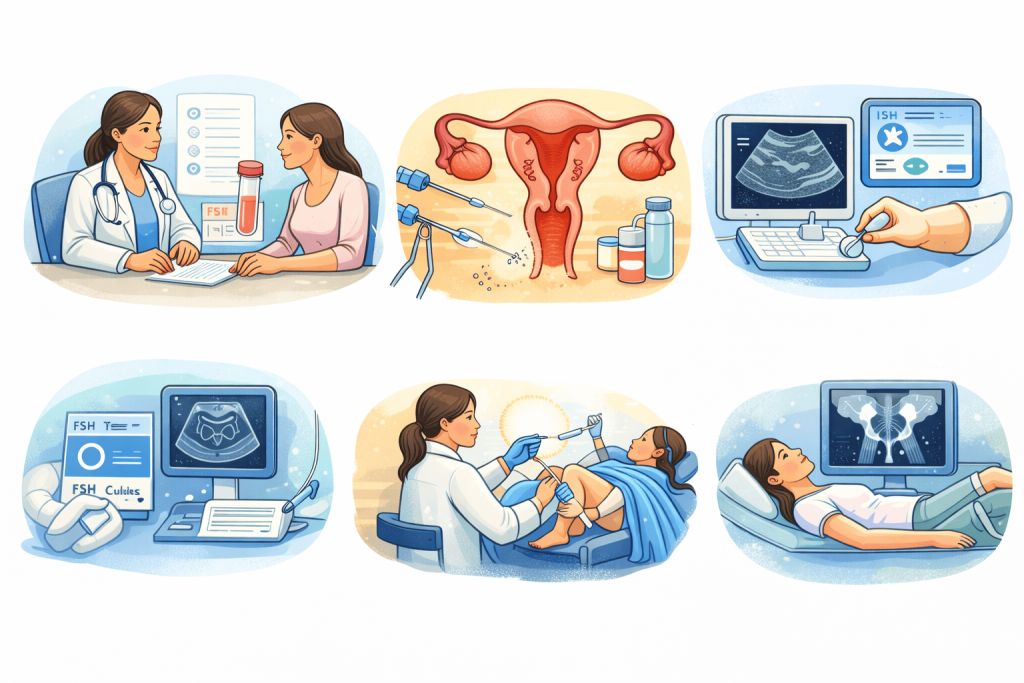
Understanding the process of infertility diagnosis can make your journey less stressful. Doctors usually begin with a detailed medical history and discussion about your menstrual cycle and overall health.
Hormone tests are commonly used to check ovulation and reproductive health. Ultrasound scans help evaluate the uterus and ovaries, while other tests may check the condition of the fallopian tubes. This step-by-step infertility diagnosis helps identify the exact cause.
In some cases, additional procedures may be recommended for a deeper evaluation. A reproductive medicine specialist can guide you through advanced testing and provide a personalized treatment plan based on your results.
When to Consider Medical Help
It is important to know when to reach out for medical advice instead of waiting too long. If you have been trying to conceive without success or noticing ongoing changes in your cycle, it may be the right time to speak with a doctor.
For women over 35, getting checked earlier is often recommended since fertility can change more quickly with age. Even if you are younger, repeated irregularities or unusual symptoms should not be overlooked. Taking action at the right time can make a real difference and help address any underlying concerns sooner.

Final Thoughts
Infertility can feel overwhelming, but understanding your body and recognizing early signs can make a big difference. When you are informed about the causes and diagnosis process, you can take more confident steps toward treatment.
With the right guidance and timely care, many fertility challenges can be managed successfully. The key is to stay aware, seek help when needed, and trust the process as you move forward.
If you are looking for expert guidance, Doctor Hanna offers personalized care and support to help you understand your condition and explore the right treatment options. With a patient-focused approach and clear communication, you can feel more confident as you move forward on your fertility journey.