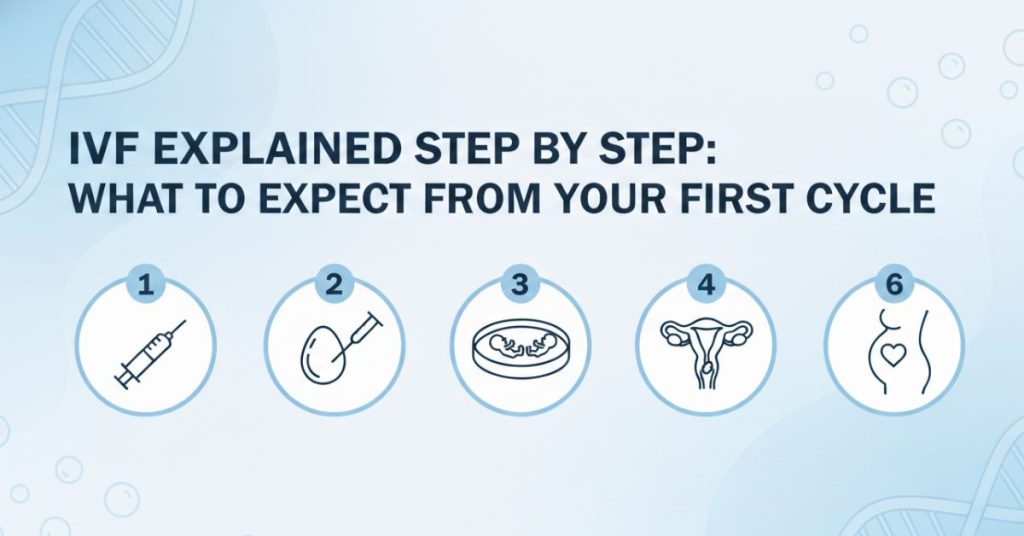
Starting IVF can feel confusing and emotional at the same time. Many people begin this journey with hope but also fear because they do not fully understand what will happen. Learning the IVF process step by step can help you feel more in control and less anxious.
In this guide, you will understand what to expect during IVF, how each stage works, and how to prepare yourself for your first cycle. This will help you move forward with more clarity and confidence.
What Is IVF and Why Is It Done?
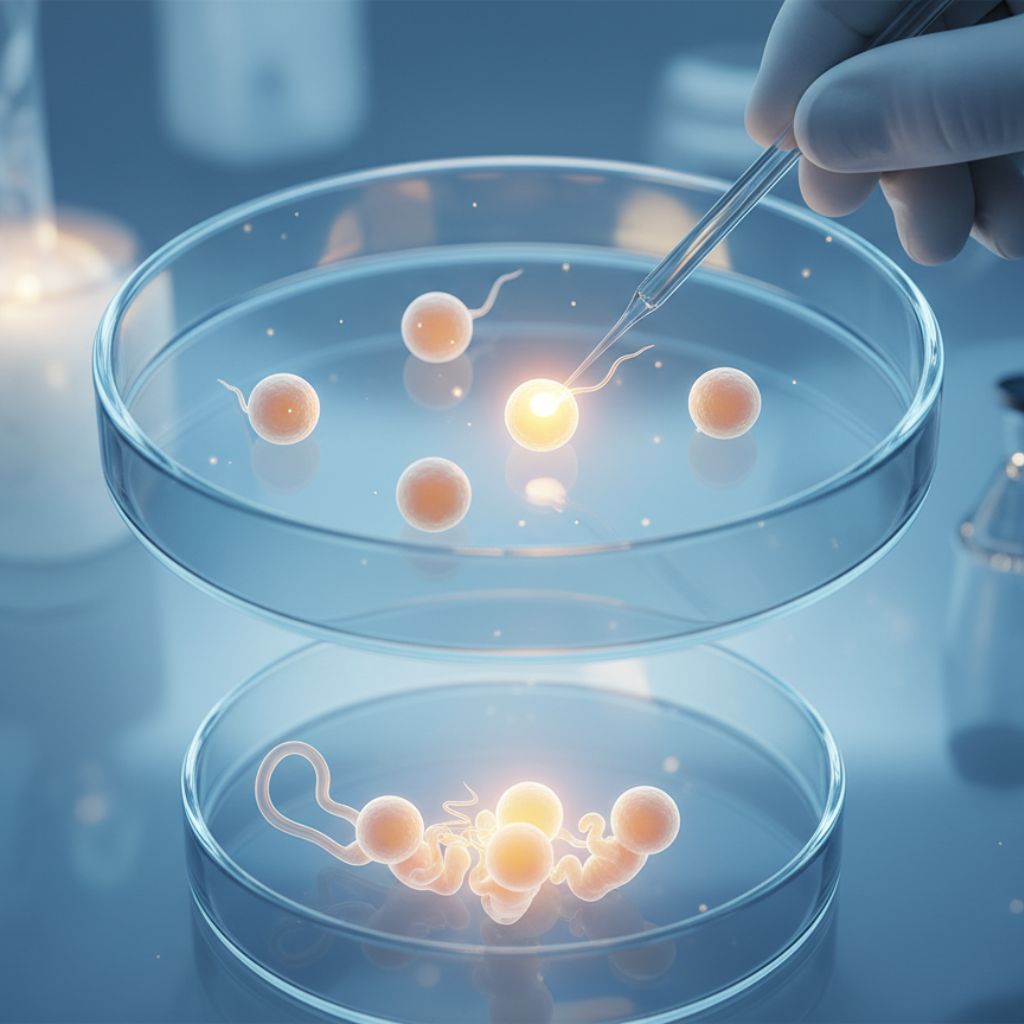
IVF stands for in vitro fertilization. It is a treatment where an egg and sperm are combined outside the body and then placed into the uterus. This method helps couples who are facing difficulty in conceiving naturally.
Doctors usually suggest IVF for conditions like blocked tubes, low sperm count, or unexplained infertility. It is also used when other treatments have not worked. Once you understand the steps of IVF treatment, the process starts to feel more manageable and less overwhelming.
IVF Process Step by Step
Let’s go through the IVF process step by step so you can clearly understand what happens at each stage.
-
Initial Consultation and Fertility Testing
Your journey begins with a consultation where your doctor reviews your health history. You may need blood tests, ultrasound scans, and other checks to understand your fertility condition.
To make this visit easier, it is helpful to prepare in advance. You can prepare for IVF consultation by writing down your medical history, cycle details, and any questions you want to ask. This helps you feel more confident during your appointment.
-
Ovarian Stimulation
In this stage, you take hormone injections to help your ovaries produce multiple eggs. Normally, the body releases one egg each month, but IVF requires more eggs to increase the chances of success.
You will visit your doctor regularly for scans and blood tests. This helps track your progress and ensures everything is going well. This phase is an important part of the IVF day-by-day process because each day’s response matters.
-
Egg Retrieval Procedure
When your eggs are ready, a short procedure is done to collect them. It usually takes around 20 to 30 minutes and is done under light sedation.
You may feel mild discomfort after the procedure, but most women recover quickly. This step is simple but very important in the IVF process step-by-step journey.
-
Fertilization in the Lab
After retrieval, the eggs are combined with sperm in a lab. In some cases, a single sperm is injected directly into the egg. This process helps increase the chances of fertilization. Once fertilization happens, embryos begin to form. This stage is carefully monitored by specialists.
-
Embryo Development and Monitoring
The embryos are observed for a few days to check their growth and quality. Doctors select the healthiest embryo for transfer. This stage can feel emotional because you are waiting for results. It is a key part of the IVF first cycle experience where patience becomes very important.
-
Embryo Transfer
The embryo is placed into the uterus through a simple procedure. It is usually painless and does not require anesthesia. After the transfer, you can go home the same day and continue light activities. Your doctor will guide you on what to do next.
-
The Two-Week Wait
This is often the most difficult part emotionally. You need to wait around two weeks before taking a pregnancy test. During this time, you may notice small changes in your body, but it is best not to overthink them. Staying calm and positive can really help during this phase.
-
Pregnancy Test Results
After the waiting period, a blood test will confirm if the IVF cycle was successful. If the result is positive, your doctor will guide you further. If it is not successful, do not lose hope. Many couples need more than one cycle to achieve pregnancy.
IVF Cycle Timeline
Understanding the IVF process timeline helps you know what to expect each week.
- Week 1 to 2 includes testing and preparation
- Week 3 to 4 involves ovarian stimulation and monitoring
- Week 5 includes egg retrieval and fertilization
- Week 6 includes embryo transfer and the waiting period
In most cases, the full IVF timeline takes about 4 to 6 weeks.
How to Prepare for Your First IVF Cycle?

Preparing well can make your journey smoother and less stressful.
Physical Preparation
Focus on eating healthy food, getting enough sleep, and staying active. Avoid smoking and reduce caffeine. Your body needs proper care during this time.
Emotional Preparation
IVF can affect your emotions, so it is important to stay mentally strong. Talk to your partner or someone you trust. You can also try relaxation techniques to manage stress. A calm and peaceful environment around you can make a big difference in how you feel during treatment.
Financial Planning
IVF can be costly, so it is important to plan ahead. You can explore options like IVF health insurance to help manage expenses. Knowing your budget can reduce stress during the process.
Common Side Effects and Risks of IVF
Many women notice mild effects like abdominal fullness, emotional changes, or light discomfort during IVF. These are usually short-term and easy to handle. In some cases, uncommon complications may happen, but doctors keep a close watch to manage any risks early. Knowing what to expect during IVF can help you feel more relaxed and prepared throughout the process.
Tips to Improve IVF Success Chances
There are simple steps that can help improve your chances.
- Follow your doctor’s instructions carefully
- Take medications on time
- Maintain a healthy lifestyle
- Try to stay stress-free
Even small changes in your routine can support your treatment in a positive way.
Final Thoughts
Starting IVF is a big step, and it is natural to feel unsure at first. With the right information and support, the journey becomes easier to handle. Take one step at a time and trust the process. Creating a calm and comforting space around you can also help during this time. Many people find peace in simple things like soft visuals or meaningful décor from Abstract Floral Art.
If you are looking for expert guidance and reliable support, Doctor Hanna offers trusted fertility care with a patient-focused approach. Their team helps you understand each step clearly and provides personalized guidance throughout your IVF journey.
FAQs
How long does the IVF process take
The IVF process usually takes about 4 to 6 weeks from start to finish, depending on your treatment plan.
Is IVF painful?
Most steps are not painful. Some discomfort may happen during injections or egg retrieval, but it is manageable.
What is the success rate of IVF?
Success depends on age and health, but many couples achieve pregnancy after one or more cycles.
How many injections are needed in IVF?
You may need daily injections for around 8 to 14 days during ovarian stimulation.
Can IVF fail the first time?
Yes, it can fail in the first attempt. Many couples need multiple cycles for success.