Many people are unsure when fertility concerns need medical care. Some wait for months, hoping things will change on their own, while others feel something is wrong but cannot point out what it is. Learning the early signs you need a reproductive endocrinologist can help you make decisions sooner and understand what might be happening with your reproductive health.
What a Reproductive Endocrinologist Does and Why They Matter?
A reproductive endocrinologist focuses on the hormones that guide fertility. They understand how ovulation works, how sperm develop, and how the uterus supports pregnancy. They treat conditions that disrupt these processes and help couples or individuals facing difficulty with conceiving. Infertility can come from small hormonal shifts or structural problems that are not visible without testing. Knowing these issues can be treated gives many people clarity when they start to notice early signs you need a reproductive endocrinologist.
Understanding When Fertility Help Becomes Necessary?
Couples often wonder what is normal when trying to conceive. Some get pregnant within a few months, while others need more time. It helps to know the point where natural attempts should shift into a checkup. People often search for when to see a reproductive endocrinologist because waiting without direction can bring unnecessary worry. Simple timelines can guide you, but your instincts can also tell you when something feels off.

Signs your body may need a reproductive endocrinologist
Each sign below helps explain how to know if you need fertility testing and what might be happening inside your body. These signs do not mean something is permanently wrong. They simply show that a detailed fertility assessment could give you clarity and direction.
- You Have Been Trying to Conceive for a Long Time Without Success
Trying for many years with no progress is one of the initial signs you need a reproductive endocrinologist. If you are under 35, professionals suggest trying for a year before looking for help. If you are over 35, trying for six months is usually enough. These guidelines help identify issues early instead of losing valuable time. A specialist can explain how to know if you need fertility testing so you can get clear answers instead of continuing without direction.
- Your Menstrual Cycle Is Irregular or Painful
Cycles that shift often or skip months may signal that ovulation is not happening regularly. This pattern makes conception harder because timing becomes unpredictable. Many women with irregular cycles have underlying issues like PCOS or thyroid changes that affect hormones. Painful periods can also point toward endometriosis or inflammation that affects fertility. These symptoms are well-known signs of infertility in women and should not be ignored, especially when they continue month after month.
- You Have a Hormonal Disorder That Affects Fertility
Some people already know they have hormonal conditions like PCOS, hypothyroidism, high prolactin, or adrenal imbalance. These issues can change how the body releases eggs and how cycles run. Hormonal problems can also cause acne, weight changes, or mood shifts, but the biggest impact is often on ovulation. A specialist may recommend a full assessment to see how these conditions are affecting your ability to conceive. This step helps you understand what is happening before symptoms become harder to manage.
- You Have Experienced Multiple Miscarriages
Experiencing more than one miscarriage is emotionally difficult and often confusing. Recurrent loss can result from hormonal imbalance, genetic issues, uterine structure problems, or immune factors. Many of these causes do not show up in routine checkups. This is why repeated loss is one of the strongest signs you need a reproductive endocrinologist. They can look at how early pregnancy hormones rise, how the uterus supports implantation, and whether there are hidden issues affecting development.
- You Have a History of Pelvic, Tubal, or Uterine Conditions
Some women have medical histories that affect fertility even years later. Conditions like endometriosis, fibroids, pelvic infections, or blocked tubes can change how eggs travel or how the uterus supports pregnancy. Scar tissue from surgery or infections can make conception harder without showing obvious symptoms. These patterns often match signs of infertility in women and are a common reason people look into when to see a reproductive endocrinologist. A specialist can check how these past conditions impact your current fertility and guide you toward the right plan.
- You Have Been Diagnosed With Diminished Ovarian Reserve
Ovarian reserve describes how many eggs are available and how well they may respond to treatment. Some women have results showing low AMH or high FSH, which suggests the ovaries are not functioning at full capacity. When this happens, early guidance is important. Many people benefit from meeting a reproductive medicine specialist who can explain what these test results mean and what options are realistic based on age and health.
- You Are Over 35 and Facing Age-Related Fertility Changes
Age affects both egg quality and quantity. Women over 35 may find it harder to conceive naturally, even if cycles seem regular. Eggs may not fertilize as easily or may not develop normally. A reproductive endocrinologist can explain treatment paths like IUI, IVF, or fertility preservation. Many people who face age-related changes begin noticing clear signs you need a reproductive endocrinologist because these shifts are easy to overlook until months pass without progress.
- Male Partner Has Sperm Abnormalities or a Known Condition
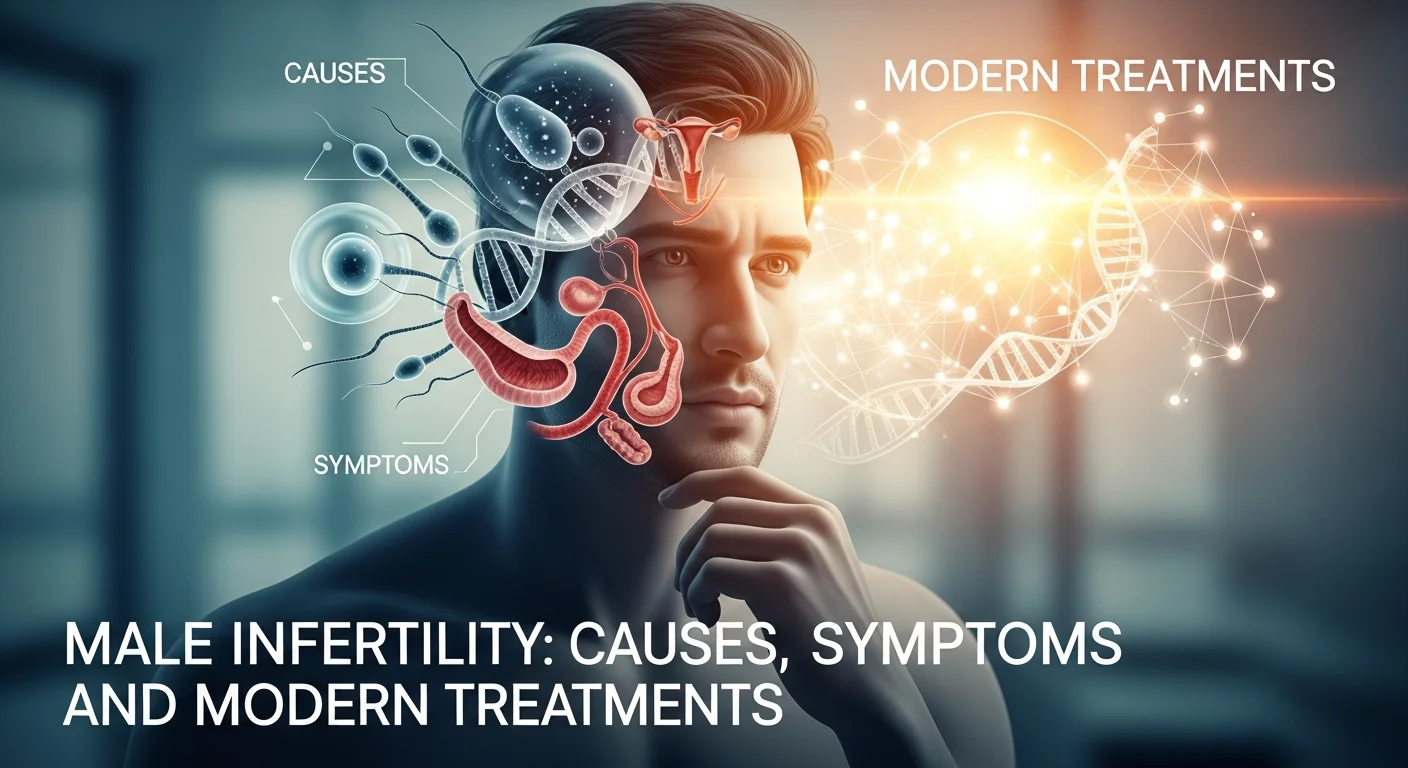
Fertility challenges can also come from the male partner. Low sperm count, slow movement, poor shape, or conditions like varicocele can make natural conception difficult. Testing is simple and gives clear results. A reproductive endocrinologist can coordinate this testing and guide you through treatment options. Male factor concerns often make couples wonder when to see a reproductive endocrinologist because delays cannot be resolved without testing both partners.
- You Need Support With LGBTQ Family Planning or Third-Party Options
Some families grow with the help of donor sperm, donor eggs, or a gestational carrier. Same sex couples may need IVF or IUI. These paths require medical support to be safe and effective. A specialist helps explain every step so you understand what to expect. People who pursue these options usually notice early signs you need a reproductive endocrinologist because these methods require structured medical involvement.
- You Want to Preserve Fertility for Later
Some people freeze eggs, sperm, or embryos because they want to have children later. Others freeze due to medical treatment that might affect fertility. A reproductive endocrinologist explains ideal timing and what results to expect. Many people also want to understand how an IVF cycle timeline works so they can plan ahead and know how long each stage takes.
What to Expect During Your First Visit?
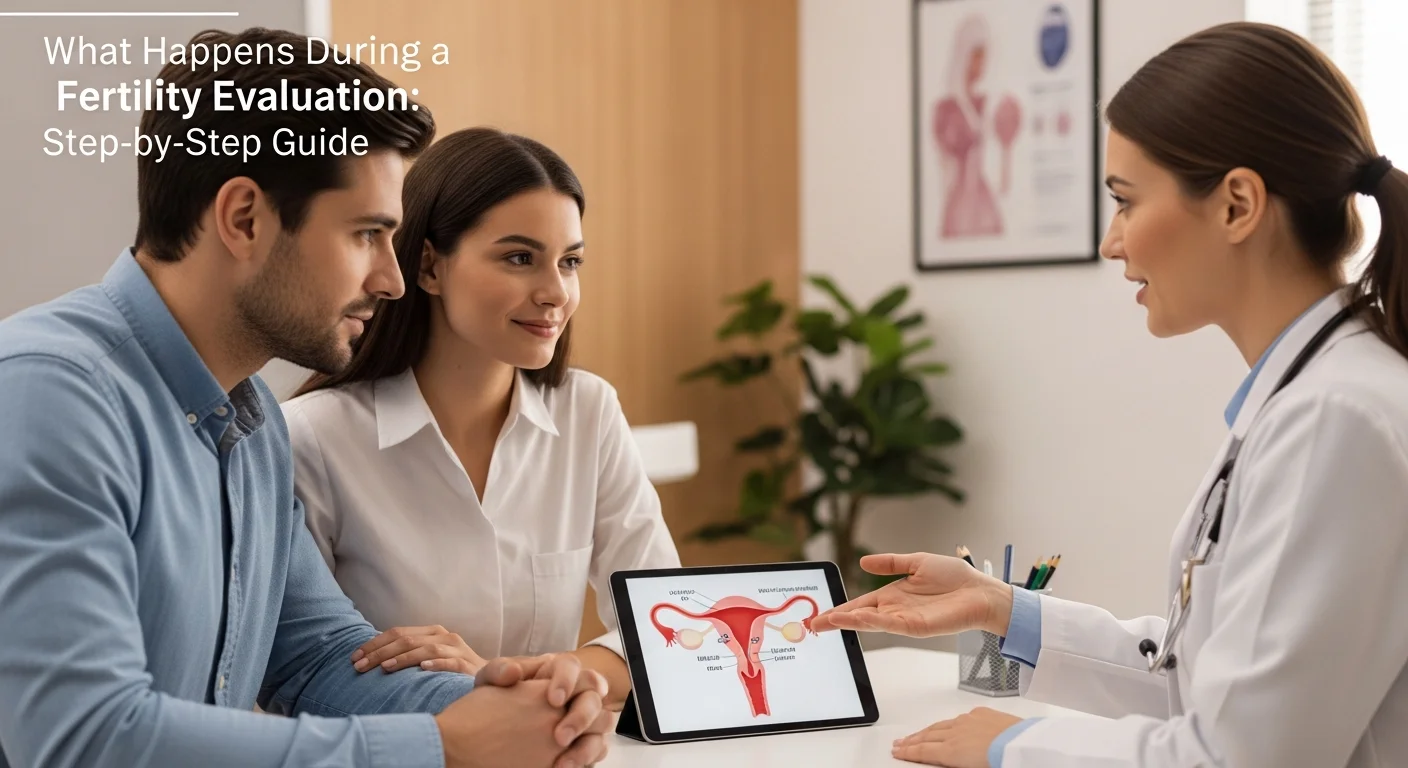
A first visit focuses on gathering information. The doctor reviews your full health history and asks about symptoms you have noticed. You may have hormone tests and an ultrasound to check your ovaries and uterus. If you have a partner, a semen analysis may be part of the process. These tests help create a clear plan for your next steps. For many people, this appointment confirms the signs you need a reproductive endocrinologist that they have noticed for months but did not fully understand.

Why Early Testing Helps?
Getting checked early can prevent long delays. Some people wait because they hope things will improve on their own. But early evaluation often leads to better outcomes because small issues can be treated before they grow. Early testing also reduces emotional stress and helps you move forward with a clear plan. Knowing when to see a reproductive endocrinologist is important when cycles change, months pass with no progress, or symptoms keep showing up.
Taking Control of Your Fertility Journey
Understanding the signs you need a reproductive endocrinologist helps you take charge of your fertility journey. Whether delays, cycle changes, past conditions, or age-related concerns are involved, you do not have to stay uncertain. Getting support early can give you answers and options. When you know when to see a reproductive endocrinologist, you can move forward with confidence and a clearer path ahead.
If you are noticing any of these signs, it’s worth consulting a specialist sooner rather than later. Dr. Hanna and her team provide expert guidance in reproductive health and personalized fertility care. Trust their experience to help you understand your options and take the next step with confidence.
FAQs
- How do I know if it’s time to see a reproductive endocrinologist?
If you’ve been trying to conceive for months without success or notice cycle or hormone issues, it’s a good time to check. - Can I see a reproductive endocrinologist even if I’m not sure anything is wrong?
Yes, early visits help you understand your fertility and plan next steps. - Do irregular periods always mean infertility?
Not always, but persistent irregular cycles may signal ovulation problems. - Can male-factor issues be treated by a reproductive endocrinologist?
Yes. REs test and guide treatment for sperm health as part of fertility care.