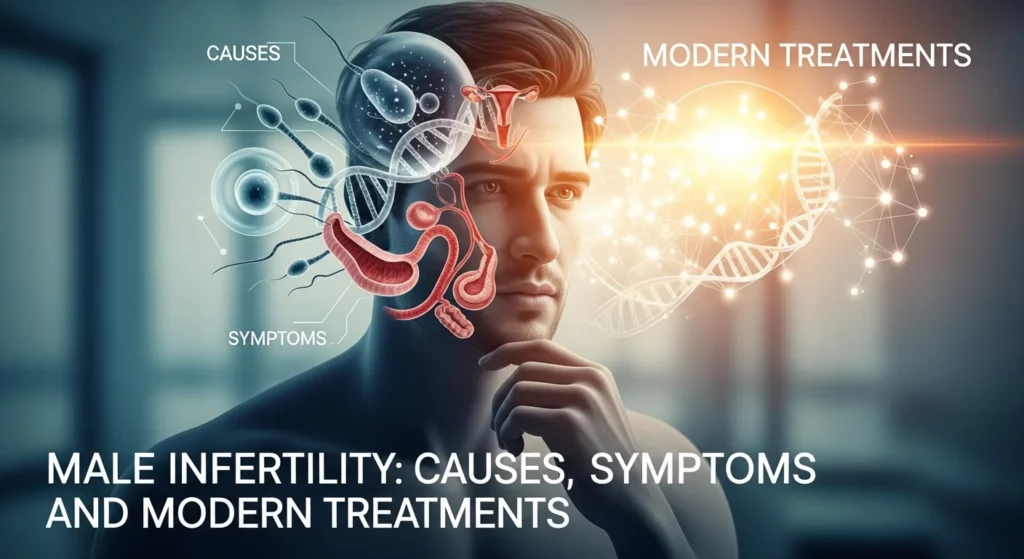
Male infertility is a condition that affects many couples trying to conceive. Research shows that male factors contribute to nearly half of all infertility cases. Men may not realize they have a problem until they struggle to conceive with their partner. Understanding male infertility, its causes, symptoms, and treatment options can help men take action early and improve their chances of having a child. Early evaluation and professional guidance are key for the best outcomes.
Signs of Infertility in Men
Recognizing signs of infertility in men can help catch issues before they become more serious. One common sign is a decrease in sexual desire or difficulty maintaining an erection. Some men notice changes in testicular size, swelling, or lumps. Hair thinning or reduced facial hair can also point to hormonal problems. Other subtle signs include fatigue or mood changes, which can be linked to hormone imbalances affecting fertility. Not every man will notice obvious symptoms, so professional evaluation is important even if signs are mild.
Causes of Male Infertility
There are several infertility causes in male, and identifying the correct one is essential for effective treatment. Causes can be medical, lifestyle-related, or genetic.
Low Sperm Count
A low sperm count is one of the most common reasons men experience fertility problems. Low sperm numbers reduce the chance of fertilizing an egg. Hormonal imbalances, infections, varicocele, or certain medications may lower sperm production. Lifestyle factors such as smoking, obesity, and poor diet also contribute.
Poor Sperm Motility and Shape
Sperm must swim well and have a normal shape to reach and fertilize an egg. Poor motility or abnormal morphology can result from environmental exposures, infections, heat, or genetic factors. Men with these issues may need additional testing to determine the cause.
Hormonal and Genetic Factors
Hormonal imbalances, such as low testosterone or problems with FSH and LH, can affect sperm production. Some men may have genetic conditions such as Klinefelter syndrome or Y chromosome deletions, which directly reduce fertility.
Male Infertility Symptoms
Male infertility symptoms can vary from man to man. Common symptoms include low sexual desire, difficulty achieving or maintaining an erection, and testicular discomfort or swelling. Fatigue and mood changes can also signal hormonal issues that affect sperm production. Some men may not notice any symptoms, which is why testing is important for couples experiencing difficulty conceiving.
Lifestyle and Medical Factors
Infertility in men can also result from lifestyle choices and underlying medical conditions. Smoking, alcohol consumption, recreational drug use, poor diet, obesity, and high stress levels can all reduce sperm quality. Environmental factors like prolonged heat exposure, radiation, or chemical contact may damage sperm. Chronic medical conditions such as diabetes, thyroid disorders, or past infections can interfere with sperm production. Addressing these lifestyle and medical factors can significantly improve fertility outcomes.
What Are the Advanced and Emerging Treatments for Male Infertility?
Research continues into stem cell therapy and gene therapy as potential solutions for men who cannot produce sufficient sperm naturally. Clinics offering comprehensive male fertility services guide men through diagnosis, treatment, and ongoing support to improve outcomes.
How Male Fertility is Measured?
Doctors use several tests to check infertility in men. The first step is usually a semen analysis, which measures sperm count, motility, and morphology. Hormone testing evaluates levels of testosterone, FSH, and LH. Genetic screening can reveal inherited conditions or DNA fragmentation issues in sperm. Imaging, such as ultrasound, can detect varicocele or blockages. Early testing ensures men receive appropriate treatment and improves chances of conception.
Treatment Options for Male Infertility
Treatment for male infertility depends on the underlying cause. Many men benefit from lifestyle improvements, while others need medications, surgery, or assisted reproductive technologies.
-
Lifestyle Changes
A balanced diet, regular exercise, quitting smoking, reducing alcohol intake, and managing stress can improve sperm health. Adequate sleep is also important for maintaining healthy hormone levels and sperm production.
-
Assisted Reproductive Technologies
For severe fertility issues, IVF or ICSI may be necessary. IVF fertilizes eggs outside the body, while ICSI injects a single sperm directly into an egg. Couples benefit from partner support during IVF process to manage stress and emotional challenges.
-
Medications and Hormone Therapy
Some medications improve sperm count or motility. Hormone therapy may be used for men with low testosterone or other hormonal deficiencies affecting fertility.
-
Surgical Interventions
Surgery can correct physical issues that affect sperm delivery. Varicocele repair often improves sperm quality. Other surgical procedures may remove blockages in the reproductive tract.
Coping and Emotional Support
Infertility can be emotionally challenging for men and couples. Men may feel stress, anxiety, or frustration, and relationships may feel strained. Counseling and support groups can help manage these feelings. Open communication between partners is essential. It is important to remember that struggling with fertility does not define a person’s value or masculinity. Supportive care helps couples stay connected while addressing medical challenges.
When to See a Specialist?
Men should consider seeing a specialist if they have been trying to conceive for one year without success. Couples where the woman is over 35 should seek evaluation sooner. A urologist or reproductive endocrinologist can run tests and recommend tailored treatments. Early evaluation often improves success rates and expands treatment options.

Conclusion
Male infertility is a common issue that affects many men and couples. Understanding signs of infertility in men, recognizing male infertility symptoms, and identifying the causes of male infertility are important steps for early intervention. Treatments range from lifestyle changes and medications to surgery and assisted reproductive technologies. Professional guidance and support from clinics can make a big difference in achieving successful outcomes.
If you or your partner is struggling with fertility, seeking help early is crucial. Schedule a consultation with Dr. Hanna to discuss testing, treatment options, and personalized support for improving reproductive health.